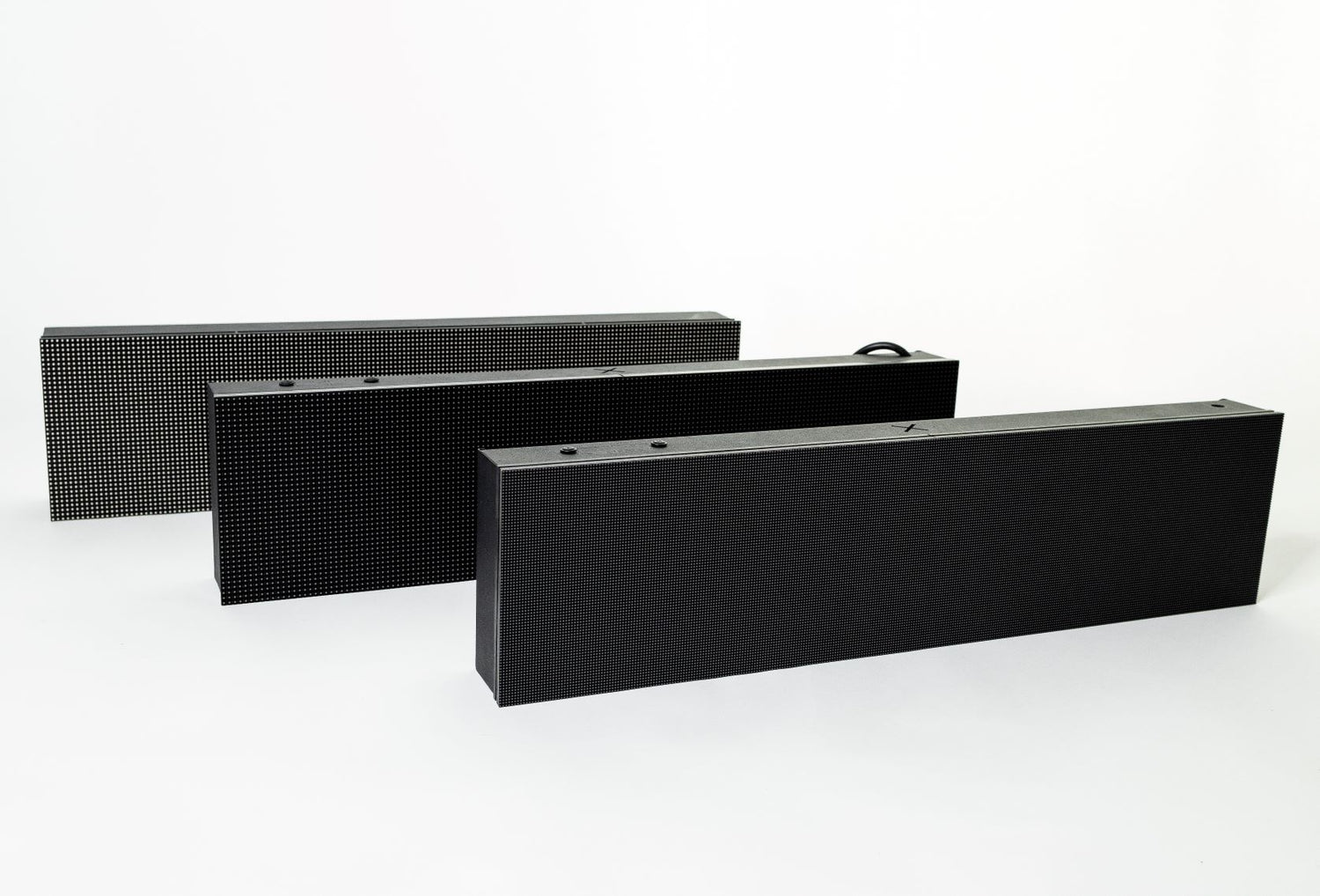


Indoor vs. Outdoor LED Displays: The Key Differences When Buying
Introduction: Why Choosing the Right LED Display Matters
Buying an LED display today means much more than simply purchasing a modern screen. Whether in shopping centers, trade fairs, building facades, or sports arenas – LED displays have become a central communication medium. The success of an installation largely depends on whether it is designed for the right environment. Therefore, distinguishing between indoor and outdoor LED displays is a crucial factor that buyers should always consider.
Indoor and outdoor displays differ not only in construction but also in technical parameters such as brightness, protection class, resolution, and energy efficiency. Anyone looking to buy an LED display should understand these differences to ensure a long-lasting, reliable solution. The following article highlights the key features of both types and helps you make an informed decision – technically sound and economically efficient.
Technical Basics: Structure and Function of LED Displays
Before comparing indoor and outdoor solutions, it’s worth understanding the technology behind them. LED stands for Light Emitting Diode. These diodes create light points (pixels) that form the image. A display consists of modular panels that can be combined into larger surfaces depending on the application and desired size.
When buying an LED display, parameters like pixel pitch, brightness (candela/m²), and color depth play an important role. The pixel pitch describes the distance between two diodes and determines how sharp an image appears. The smaller the distance, the higher the resolution – which is particularly important indoors, where viewers are typically close to the screen.
Outdoor displays, on the other hand, require much higher brightness levels to remain visible under direct sunlight. They are also protected against weather elements through dust- and water-resistant housings (IP65 or higher). These design adaptations fundamentally distinguish them from indoor displays, which are made for stable, climate-controlled environments.
Differences in Design and Material Quality
One of the most important factors when buying an LED display is the construction. Indoor displays are lighter since they don’t need to withstand harsh environmental conditions. They are often made with aluminum or plastic frames, allowing for easy assembly and disassembly – ideal for temporary use at trade shows or events.
Outdoor displays, in contrast, are much more robust. They feature weatherproof housings, special ventilation systems, and often additional coatings for UV protection. These properties make them heavier but significantly more durable for outdoor use. Maintenance requirements also differ: outdoor versions typically allow rear access to modules, while indoor versions are usually maintained from the front.
A quick overview of the main differences:
| Feature | Indoor LED Display | Outdoor LED Display |
|---|---|---|
| Brightness (cd/m²) | 800 – 2,000 | 5,000 – 10,000 |
| Protection Class (IP) | IP20 – IP40 | IP65 – IP68 |
| Pixel Pitch | 1.2 mm – 4 mm | 4 mm – 10 mm |
| Housing Material | Lightweight metal / plastic | Steel / aluminum, weatherproof |
| Maintenance | Front access | Rear access |
| Application Areas | Indoors, trade fairs, conference rooms | Outdoor spaces, facades, stadiums |
| Cost Factor | Lower | Higher, depending on protection level |
These differences make it clear: when buying an LED display, always start by considering the environmental conditions of its intended use.
Brightness, Resolution, and Viewing Distance
The visual impact of a display depends mainly on brightness and resolution. Indoor displays require less brightness since they operate in controlled lighting conditions. Brightness between 1,000 and 2,000 cd/m² is usually sufficient.
Outdoor LED displays, however, must remain visible even under direct sunlight. Their brightness typically ranges between 5,000 and 10,000 cd/m², ensuring content remains clearly visible during the day.
Viewing distance is another key factor. Indoor displays are viewed up close – for example, in shop windows or trade fairs – making higher resolution and smaller pixel pitch essential. Outdoor displays are viewed from greater distances, so lower resolution is adequate.
When purchasing an LED display, always consider viewer distance. A mismatch between resolution and application can lead to unnecessary costs without noticeable improvements in image quality.
Energy Consumption and Maintenance
Another major difference between indoor and outdoor LED displays is energy consumption. Because of their higher brightness, outdoor systems use significantly more power – an important cost factor, especially for large installations. Buyers should therefore choose energy-efficient models with advanced driver technology and automatic brightness control.
 Maintenance also plays a key role. Indoor displays require less upkeep since they aren’t exposed to weather, dust, or wind. Outdoor models, however, must be checked regularly to prevent corrosion, dirt buildup, or moisture damage.
When evaluating a purchase, consider the following:
-
Accessibility of modules (front or rear maintenance)
-
Availability of spare parts
-
Energy efficiency rating
-
Manufacturer’s service intervals
Considering these points helps reduce operational costs and extend system lifespan.
Areas of Application and Target Groups
The intended use is one of the most decisive factors when buying an LED display. Indoor displays are typically used in retail stores, lobbies, conference centers, or exhibition halls, where they impress with high image quality, flexible sizing, and seamless integration into interiors.
Outdoor LED displays, on the other hand, are designed for maximum visibility and reach – used on building facades, parking lots, sports arenas, or roadside advertising. They’re ideal for advertising, information boards, or live event broadcasts.
Outdoor models must offer high operational reliability, including protection against overheating, lightning, and moisture. Indoor displays stand out for their design flexibility and ease of use.
When buying an LED display, businesses should clearly define their communication goals: do they want to attract attention outdoors or deliver targeted information indoors? This strategic choice determines the overall investment required.
Economic Considerations and Lifespan
Indoor and outdoor LED displays also differ economically. Outdoor systems are more expensive upfront but offer greater durability and longer service life. Indoor variants are cheaper but often involve recurring setup costs for temporary uses (e.g., trade shows).
Buying an LED display means looking beyond the purchase price and considering total cost of ownership, including:
-
Energy consumption
-
Maintenance and servicing
-
Spare parts
-
Installation and dismantling
-
Insurance and permits
Outdoor displays often pay off through advertising revenue or continuous use, while indoor displays excel through flexibility and reusability.
Modern LED displays last between 80,000 and 100,000 operating hours. Regular maintenance and professional operation are essential to protect the investment and ensure long-term performance.